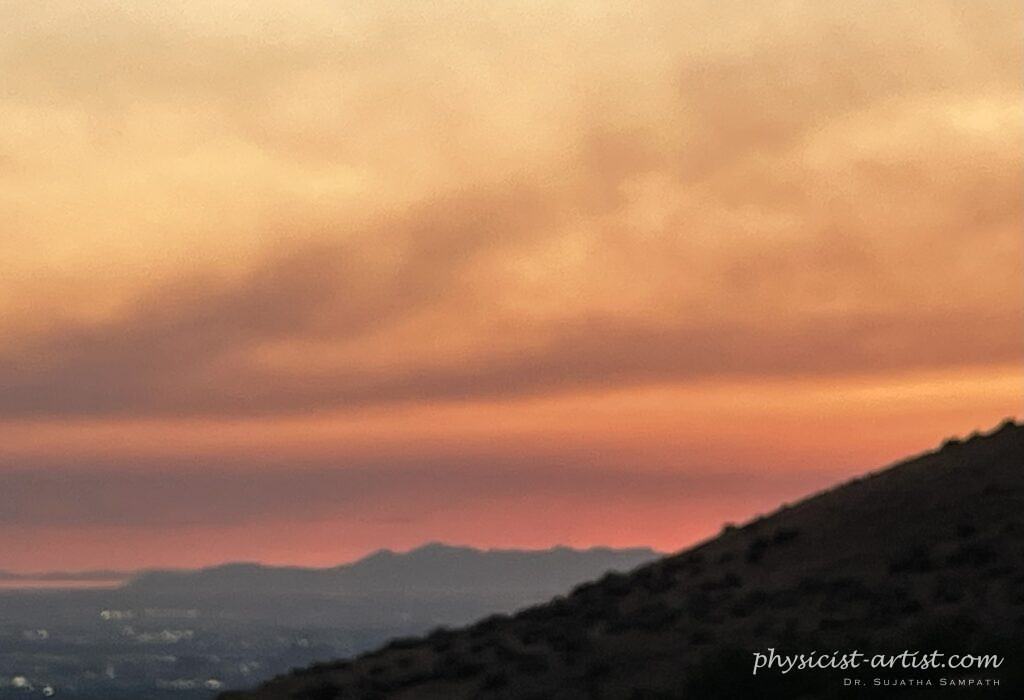
This is Salt Lake City, looking west, with the Great Salt Lake in the horizon, with into the Oquirrh Mountains lining its shoreline, the week of June 21st, 2026. This dramatic, ‘apocalyptic’ like scene is just a small glimpse of the smoke that shrouded the Salt Lake Valley and the mountains, from the #BonnevilleFire that started on June 20th 2026, in Salt Lake City, close to the University of Utah and a densely populated residential neighborhood.
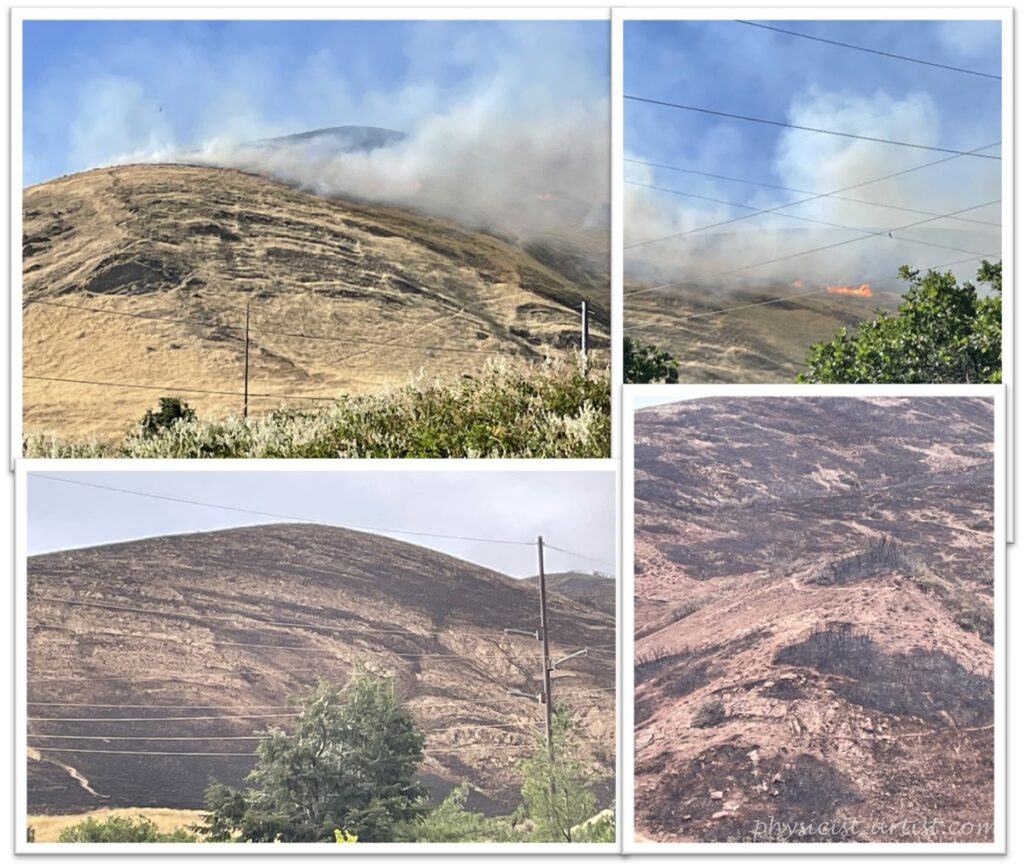
The two images at the bottom in this collage, show the scars of the burn, of the fire that took almost a week to contain, devastating about 565 acres of the mountain slopes. This has been one of the worst #wildfire seasons in Utah, with several fires burning throughout the state, this early in the season, spurred by drought like conditions, low snowbank and rain fall this past winter and spring.
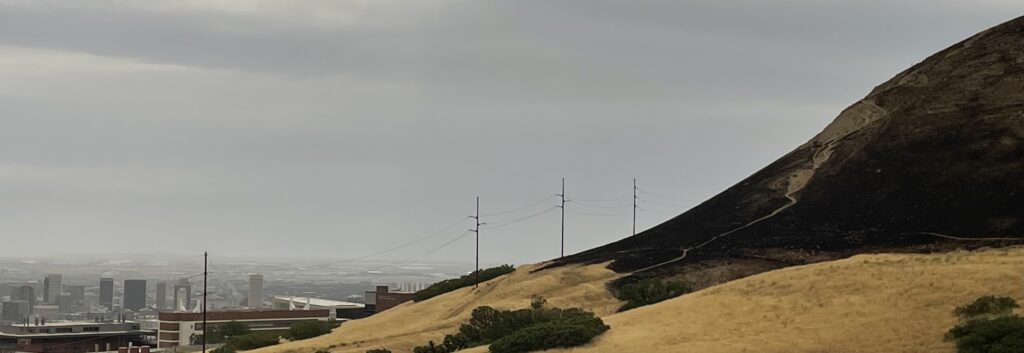
These mountains have many trails that local residents frequent for hikes and trail runs. We were at the Red Butte Garden, another popular outdoor natural area in the city, when we heard the fire trucks and first responders and at a distance could see the flames and smoke as the crew was heading towards the higher slopes. For many who live in Salt Lake City, this fire was too close and evacuation readiness in place, with it coming about 200 yards to the University of Utah Hospital and the Huntsman Cancer Center as seen from the image below (the scarred perimeter just yards away from the buildings in the University of Utah campus.
There have also been reportings of lot more sightings of rattlesnakes in the aftermath of the fire. Fire has forced wildlife to escape into populated areas.
Typically, even though the meteorological summer in the Northern hemisphere starts in June, astronomical summer starts on June (20-22nd), the hottest days occur about 5-6 weeks later in July, because of “lag of the seasons”. Right around the summer solstice, mountain tops are still typically covered with snow and ice, which starts to melt after the solstice, the ocean and ground take time to warm up and this is why we typically experience the hottest days a month or more from the June solstice. However, with sparse snowfalls in winter and little rain in spring, the dry conditions have been starting earlier in the year, leading to longer spell of hot days, and causes for wildfires.
Thanks to the unwavering commitment and exceptional bravery of the firefighters and first responders who put their lives in danger to contain these fires and save lives and property. For many in the city in the path of this smoke and the poor air unleashed by the fire, respiratory illnesses sored. We can only wonder how much worse it must have been for the firefighters in the thick of this smoke battling and trying to contain the fire. Luckily, the city got a bit of rain, which helped in washing away the smoke and clearing up the air, as the fire was contained.
With one of the worst fire seasons in Utah and the Mountain West this year, hope communities in the path of these fires are safe, and so are the fire fighters and first responders. A happy and safe 4th of July !!